|
Getting your Trinity Audio player ready...
|
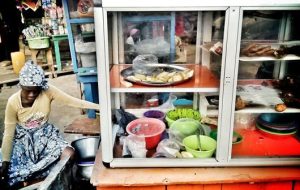
The Ministry of Health, through the Ghana Health Service (GHS), has cautioned the public about the health risks associated with the ongoing rainy season, following prolonged dry spells across the country.
In a public notice, the GHS explained that the early rains often trigger an increase in waterborne diseases such as typhoid, cholera, and dysentery. This, it said, happens when rainwater washes contaminated faecal matter into water sources used by communities.
The Service also warned that vegetables grown near rivers and other water bodies are at higher risk of contamination during this period, posing additional health concerns for consumers.
According to the GHS, the rainy season also creates favourable conditions for mosquito breeding, which can lead to a rise in diseases such as malaria, yellow fever, and dengue fever. It noted that stagnant water collected in containers such as cans, tyres, and other waste materials often serve as breeding grounds.
Guidelines for food vendors
The GHS outlined key safety measures for food vendors to help prevent food contamination and protect public health. These include:
Sourcing food items from clean, hygienic, and approved suppliers
Observing strict food safety practices during preparation and storage
Separating raw foods (such as fish and meat) from cooked or ready-to-eat meals
Washing fruits and vegetables thoroughly with clean water, salt, or vinegar
Ensuring that food handling certificates are valid and up to date
The Service urged food vendors and the general public to adhere strictly to these guidelines to reduce the risk of disease outbreaks during the rainy season.
Story by Efua Nessa