|
Getting your Trinity Audio player ready...
|
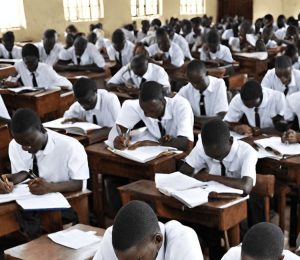
In recent months, Ghana has been grappling with the alarming performance of candidates in the 2025 West African Senior School Certificate Examination (WASSCE). This widespread concern has sparked intense discussions about the state of education in the country.
In response, the Ghana Reads Initiative (GRI), in partnership with the Educational Times Newspaper, organized a key education dialogue in January 2026. The event, held at the Ghana Library Authority in Accra’s Airport Residential Area, focused on the theme: “The Uninspiring 2025 WASSCE Results and Suggestions for Rectification.”
The event brought together a diverse group of stakeholders, including civil society groups, education experts, parents, and students, who all agreed that the 2025 WASSCE results should not simply be seen as a failure on the part of students. Instead, they should be viewed as a symptom of deeper, systemic issues within the education system that have evolved over time.
The discussions made it clear that the results reflect broader challenges, including structural, instructional, and behavioral shortcomings, as well as gaps in assessment practices. It was emphasized that a coordinated national approach, grounded in thoughtful reforms, is necessary to address these persistent problems.
Rather than casting blame, the participants called for a solution-focused approach to reverse the downward trend. They stressed the importance of identifying the root causes and taking actionable steps to improve the system.
Identified Challenges
Several key challenges contributing to the disappointing WASSCE results were highlighted:
1. Weak Foundation in Basic Education: Persistent literacy and numeracy gaps at the basic education level are hindering students’ ability to succeed at the secondary level.
2. Overcrowded Classrooms and Unequal Resource Distribution: The growing number of students per classroom and the unequal allocation of learning resources between urban and rural schools further exacerbate the problem.
3. Declining Study Habits and Discipline: Rising absenteeism, an increase in the use of mobile phones and social media, and insufficient enforcement of school rules are contributing to a lack of academic discipline.
4. Teacher-Related Issues: Teachers continue to face challenges such as delayed payments, limited professional development opportunities, and the reliance on unqualified or temporary staff, particularly in less resourced areas.
5. Inconsistent Alignment Between Curriculum and Assessment: While some students display competence in specific subjects, rigid certification standards often result in failure, suggesting a need for greater flexibility in assessing student progress.
6. Underutilization of Post-Examination Data: Despite detailed feedback from the West African Examinations Council (WAEC), there has been inadequate use of this data to inform teaching and remedial actions.
Recommended Reforms
To tackle these issues, several reforms were proposed:
1. Learning Recovery and Diagnostic Reform: A national post-WASSCE diagnostic review should be institutionalized, with focused remedial programs for key subjects such as Mathematics, English, and Integrated Science, particularly in low-performing schools.
2. Teacher Motivation and Professional Development: The government should settle outstanding teacher arrears and implement targeted training programs in underperforming schools. Additionally, teaching should shift toward mastery-based learning rather than rote memorization.
3. Discipline and School Climate: The enforcement of mobile phone restrictions in schools should be strengthened, alongside behavioral change programs for students. Parents must also play a larger role in ensuring effective learning at home.
4. Assessment and Learner Progression Reform: Certification standards should be revisited, allowing for flexible re-sit options to avoid total academic exclusion due to isolated subject failures. The alignment between curriculum goals and assessment practices must be improved to better reflect diverse student abilities.
5. Governance and Integrity: Stronger measures against examination malpractice, enhanced community engagement, and more active involvement of Parent-Teacher Associations are necessary to protect the integrity of the examination process.
Moving Forward Together
The participants of the dialogue agreed that collective action is essential in addressing the underlying issues. They emphasized that the 2025 WASSCE results should not be seen as an indictment of students’ intelligence, but as a call to action for the nation to urgently address long-standing challenges in the education system.
The Ghana Reads Initiative and Educational Times reaffirmed their commitment to pushing for reforms that are grounded in evidence, advocating for greater public engagement, and promoting initiatives that will rebuild confidence in Ghana’s education system.
Ultimately, the conversation needs to shift from lamenting the results to taking leadership and decisive action. The challenges may seem daunting, but with the right policy direction, collective responsibility, and a renewed commitment to quality education, Ghana can overcome these obstacles and create a brighter future for all students.
Story: Efua Nessa
Source : Loco tv