|
Getting your Trinity Audio player ready...
|
Low Inflation Without Structural Gains Unsustainable for Ghana – Prof. Bokpin
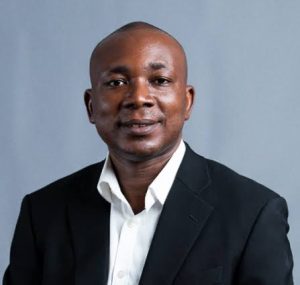
Ghana’s current ultra-low inflation rate of 3.3% is not sustainable in the long term, according to Professor Godfred Bokpin, an economist at the University of Ghana. Speaking on Joy FM’s Super Morning Show on March 19, he argued that the country should seize this low inflation period to reduce interest rates and stimulate job-rich economic growth.
While low inflation is generally seen as positive, Prof. Bokpin emphasized that for a developing nation like Ghana, an ultra-low inflation rate coupled with low yields is not beneficial in the long run. He warned that without significant structural transformations, productivity improvements, or infrastructure developments—factors that drive long-term inflation control in advanced economies like the US and the UK—Ghana’s low inflation environment remains fragile.
Prof. Bokpin predicted that inflation in Ghana will likely rise to between 6% and 8% in the medium term, which he believes would be a more sustainable target for a developing economy. He further expressed concerns about the quality of Ghana’s economic growth, noting that despite a reported 6% expansion in 2025, this growth has been insufficient to reduce poverty or address food insecurity.
The economist pointed out that job creation remains stagnant, as reflected in the Bank of Ghana’s own job tracking data, which showed no significant increase in employment from 2024 to 2025. Prof. Bokpin called for growth that is not only robust but also job-rich to make a meaningful impact on the country’s socio-economic development.
To address these issues, Prof. Bokpin recommended that the Bank of Ghana lower its policy rate, increase liquidity in the economy, and focus resources on the real sector to boost productivity and create more employment opportunities. His comments come amid ongoing discussions among policymakers and economists on how to balance low inflation, interest rates, and sustainable growth in Ghana’s economy.
Story:Efua Nessa
Source :Loco tv