|
Getting your Trinity Audio player ready...
|
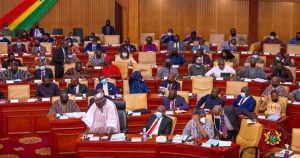
Parliament has approved a $500 million credit facility from the International Development Association (IDA) of the World Bank Group to finance the Ghana Market Access and Connectivity Project (GMACP).
The facility, approved on Tuesday, July 21, is expected to support the rehabilitation of feeder roads, improve road maintenance and enhance all-season farm-to-market connectivity in selected districts across Ghana.
The project, which has a total estimated cost of $523 million, includes $500 million in IDA credit and $23 million in counterpart funding from the Government of Ghana.
The GMACP is designed around four key components aimed at improving rural transport infrastructure, strengthening feeder road maintenance and increasing access to agricultural markets.
The major component, which has been allocated $473 million, will focus on rehabilitating about 1,050 kilometres of feeder roads across four agricultural clusters covering 13 regions. The roads will be upgraded into all-weather routes to ensure farmers can transport produce to markets throughout the year.
A further $41 million will be used for maintaining the rehabilitated roads and supporting reforms in road financing, including strengthening systems under the Road Maintenance Trust Fund.
Another $9 million will support project implementation by enhancing the capacity of the Ministry of Roads and Highways and the Department of Feeder Roads in areas such as procurement, financial management, monitoring and evaluation, environmental safeguards and stakeholder engagement.
The project also includes a zero-cost emergency response component, which will allow funds to be redirected during crises such as flooding, natural disasters, disease outbreaks or other public health emergencies.
The government says the initiative is expected to improve rural connectivity, strengthen agricultural value chains and promote sustainable road infrastructure development across the country.
Story by Efua Nessa