|
Getting your Trinity Audio player ready...
|
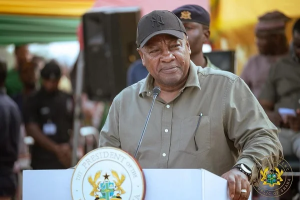
President John Dramani Mahama has expressed confidence in the ongoing efforts to improve Ghana’s electricity supply, highlighting infrastructure upgrades aimed at stabilizing the national grid.
His comments came after a visit to the Northern Electricity Distribution Company on Sunday, April 19, 2026, as part of his “Resetting Ghana” tour. During the visit, he inspected transformers being deployed under a nationwide upgrade initiative.
President Mahama revealed that around 2,500 transformers have been procured and are being installed as part of the first phase of the program. The project focuses on replacing old and faulty transformers to improve the reliability and quality of power delivery. He further emphasized that the program would be carried out in phases to ensure a consistent enhancement in electricity supply.
Addressing public concerns over recent power outages, the President explained that the interruptions were due to ongoing technical work designed to strengthen the grid. He assured the public that these temporary disruptions do not indicate a return to the previous power challenges, but rather are part of broader efforts to create a more resilient energy infrastructure.
Additionally, President Mahama clarified the role of tricycles distributed under the Free Primary Health Care program. During a sod-cutting ceremony for a 24-hour economy model market in Bimbilla, he explained that these tricycles are not ambulances but are designed to assist health workers and volunteers in providing essential services in communities. The vehicles are equipped with compartments to safely transport vaccines, ensuring the cold chain is maintained. They will be used for vaccination campaigns, routine health screenings, and early detection of conditions such as hypertension and diabetes.
This initiative aims to enhance healthcare access, especially in remote and underserved areas where medical facilities are scarce.
Story by Efua Nessa
Source: Loco tv