|
Getting your Trinity Audio player ready...
|
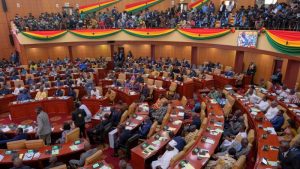
Ghana’s Parliament has passed the highly contentious Human Sexual Rights and Family Values Bill, commonly referred to as the anti-LGBTQ bill, following months of heated national debate and international scrutiny.
The legislation, introduced by a bipartisan group of lawmakers, seeks to criminalise LGBTQ+ activities, advocacy, and what it describes as non-conventional sexual relations and family practices. Its passage represents one of the most divisive moments in recent Ghanaian legislative history, drawing strong support from conservative and religious groups, while facing criticism from human rights organisations and international observers.
Under the bill, individuals found engaging in same-sex relations could face legal penalties. It also proposes sanctions against anyone promoting, funding, or advocating LGBTQ+ activities. Supporters argue that the law is necessary to safeguard Ghanaian cultural, religious, and family values, with several religious bodies and traditional leaders publicly endorsing it during parliamentary deliberations.
However, critics warn that the legislation may violate constitutional rights, including freedoms of expression, association, and protection from discrimination. Controversy has particularly focused on clauses that would exempt journalists, media houses, and professionals providing medical, psychological, or counselling services from sanctions.
Co-sponsor Rev. John Ntim Fordjour and other MPs on the Minority side have pushed to include these exemptions, but Rev. Fordjour and Nana Asafo-Adjei Ayeh, MP for Bosome-Freho, insist the changes are unacceptable and could serve as a loophole to promote LGBTQ activities.
Formally titled the Promotion of Proper Human Sexual Rights and Ghanaian Family Values Bill, the legislation was re-presented for its second reading on Thursday, continuing its contentious journey through Parliament.
Originally introduced in June 2021 by a group of MPs led by Sam George (Ningo-Prampram), the bill was first read in August 2021 and referred to Parliament’s Constitutional, Legal and Parliamentary Affairs Committee. The committee conducted extensive public hearings over 2021–2022, engaging religious groups, traditional authorities, legal experts, civil society organisations, and human rights advocates.
Public opinion remains sharply divided: supporters see the bill as essential for protecting Ghanaian family and cultural values, while opponents decry it as unconstitutional and discriminatory.
Story by Efua Nessa